


I resisted cloth diapers for months — I assumed they meant buckets of soaking, safety pins and constant leaks. Then I actually tried modern ones, and I was genuinely annoyed nobody had told me sooner. Today’s cloth diapers snap on like a disposable, dry fast, and over two years they save a small fortune and a mountain of landfill. They’re not all equal, though, and the jargon (pocket? AIO? freesize?) puts a lot of parents off. So let me demystify the types, then give you the ones actually worth buying in India.
In this guide
Quick Summary — my top picks
Tap any name to open it on Amazon.in. Details and a comparison table below.
- Best overallSuperBottoms UNO Freesize
- Best value pocketSuperBottoms Basic
- Best for newbornsBumberry Smart Nappy Combo
- Easiest to useLILTOES All-in-One
- Also greatAEREX Reusable, Advanso 4-Pack & GLUN Combo
Cloth diaper types, explained in plain Hindi-English
Almost every modern cloth diaper is one of these four. Once you know the difference, the picks below make instant sense.
Pocket diaper
A waterproof shell with a pocket you “stuff” with an absorbent insert. You control the absorbency, and only the insert needs the hard wash. The all-rounder most Indian parents start with.
All-in-One (AIO)
The insert is sewn right in, so it goes on exactly like a disposable — nothing to stuff. Simplest for grandparents and daycare; just takes a little longer to dry.
Smart Nappy / Langot-style
A soft fitted pad or “smart nappy” that sits in a cover. Very breathable and gentle on newborn skin, easy to change often, and the most economical way to begin.
Freesize (adjustable)
One diaper with rows of snaps that resize it from roughly 3 months to 3 years. You buy once and it grows with baby — the cheapest route over the whole journey.
The picks at a glance
| Cloth diaper | Type | Fits | Best for |
|---|---|---|---|
| SuperBottoms UNO Freesize | Freesize pocket | ~3 mo–3 yr | One-and-done value + quality |
| SuperBottoms Basic | Adjustable | Trusted brand on a budget | |
| Bumberry Smart Nappy | Smart nappy | Newborn+ | Breathable newborn days |
| LILTOES AIO | All-in-one | 0–3 yr | Fuss-free, daycare-friendly |
| AEREX Reusable | 0–3 yr | Adjustable everyday use | |
| Advanso 4-Pack | Pocket combo | Adjustable | Stocking up affordably |
| GLUN Combo | Pocket combo | Adjustable | Testing the waters cheaply |
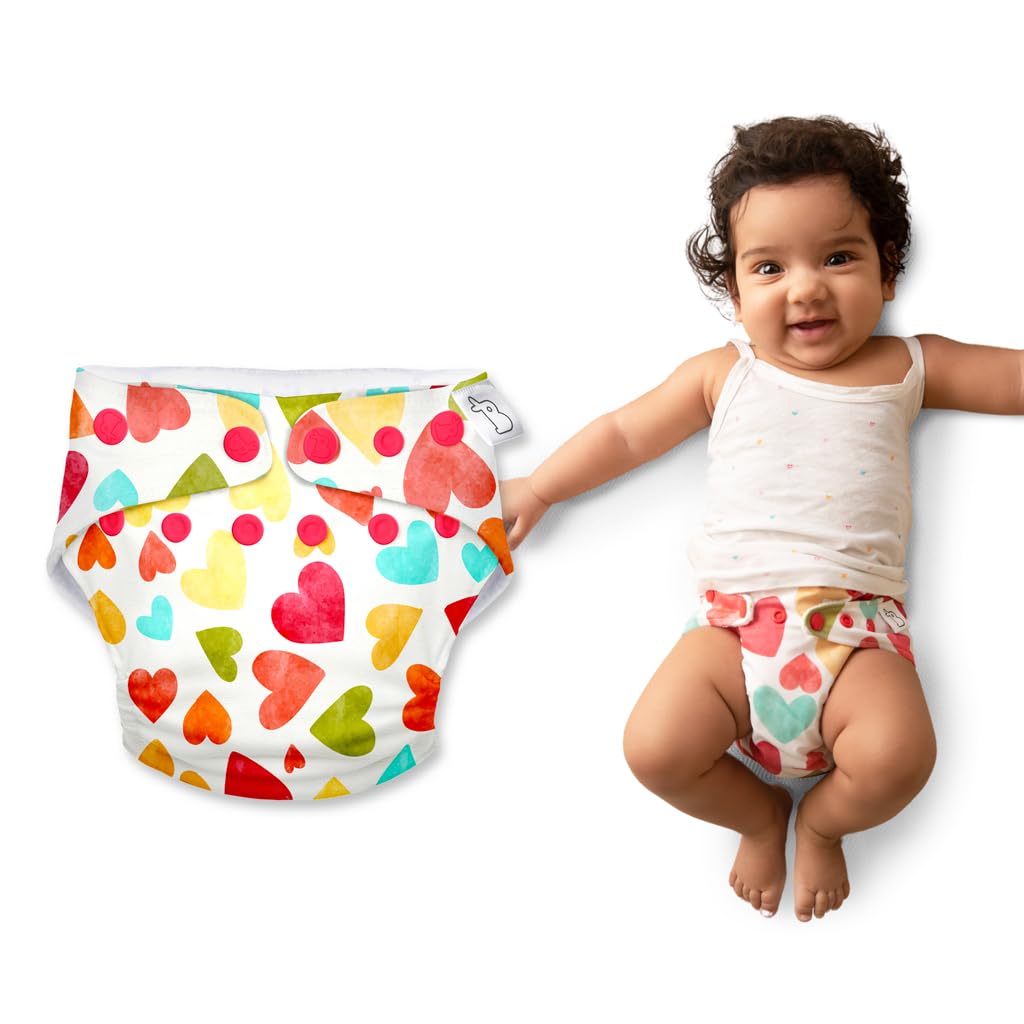
SuperBottoms UNO Freesize
If you buy one cloth diaper to understand what the fuss is about, make it this. SuperBottoms is the brand that made cloth diapering mainstream in India, and the UNO is why — soft, genuinely leak-proof, and freesize, so a single diaper grows with your baby for years. The quality and after-sales are a clear cut above the generic options. It costs more per piece, but per month of use it’s the best value here.

SuperBottoms Basic
The same trusted brand at a friendlier price. The Basic keeps the leak-proof build and soft feel but pares back the frills, so it’s the smart way to build up a full stash without paying flagship prices for every piece. A brilliant “buy several of these” workhorse.

Bumberry Smart Nappy Combo
Bumberry’s smart-nappy system is my pick for the newborn stage — the soft nappy pad is airy and gentle on brand-new skin, snaps into a reusable cover, and changes are quick when you’re doing 10+ a day. Buying it as a combo makes it one of the most economical ways to start cloth diapering from birth.

LILTOES All-in-One
No stuffing, no folding — the insert is built in, so it goes on exactly like a disposable. That makes it the one to hand to grandparents, a helper or daycare without a tutorial. Leak-guards down the sides do a good job on the messy days. The trade-off is a slightly longer drying time, which the Indian sun sorts out.
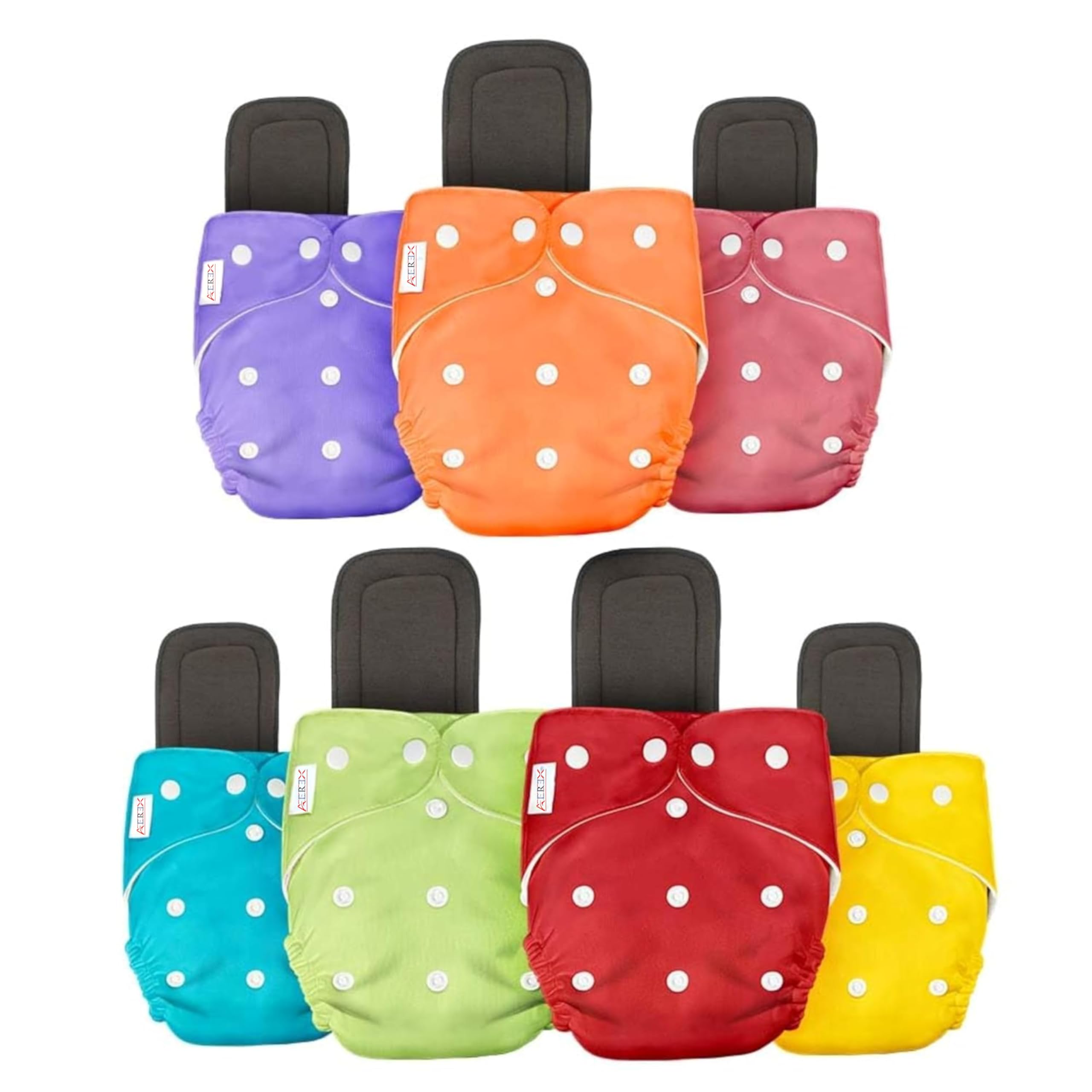
AEREX Premium Reusable
A solid, well-priced pocket diaper with the usual snap rows to resize as baby grows, and a comfy inner layer. If the SuperBottoms are sold out or over budget, this is a dependable everyday alternative that won’t let you down.
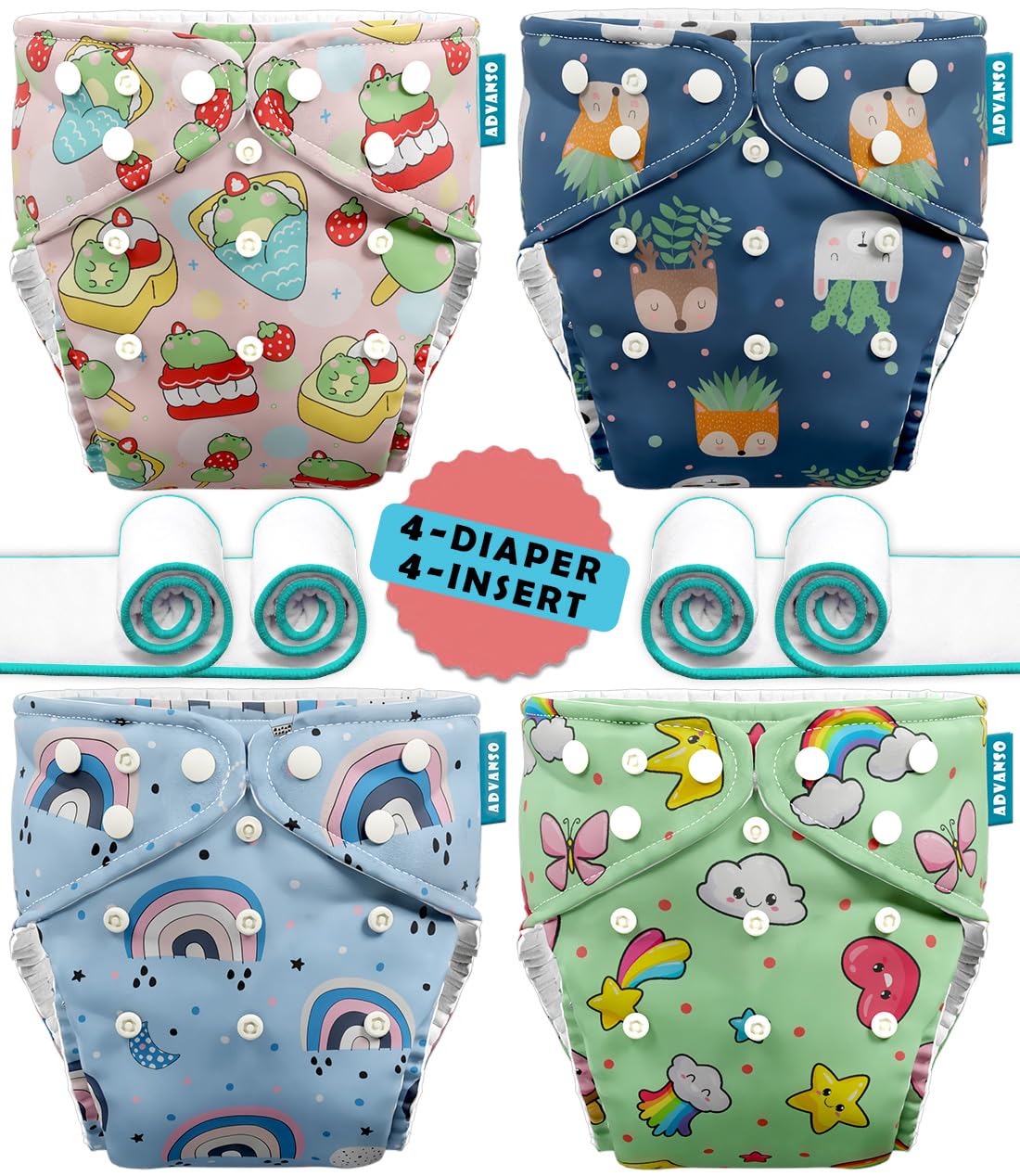
Advanso Reusable (4-Pack)
Cloth diapering only works if you own enough to get through a wash cycle, and multipacks like this make building a stash affordable. Four adjustable pocket diapers with inserts, at a price that lets you go part-time or full-time without a big upfront hit.
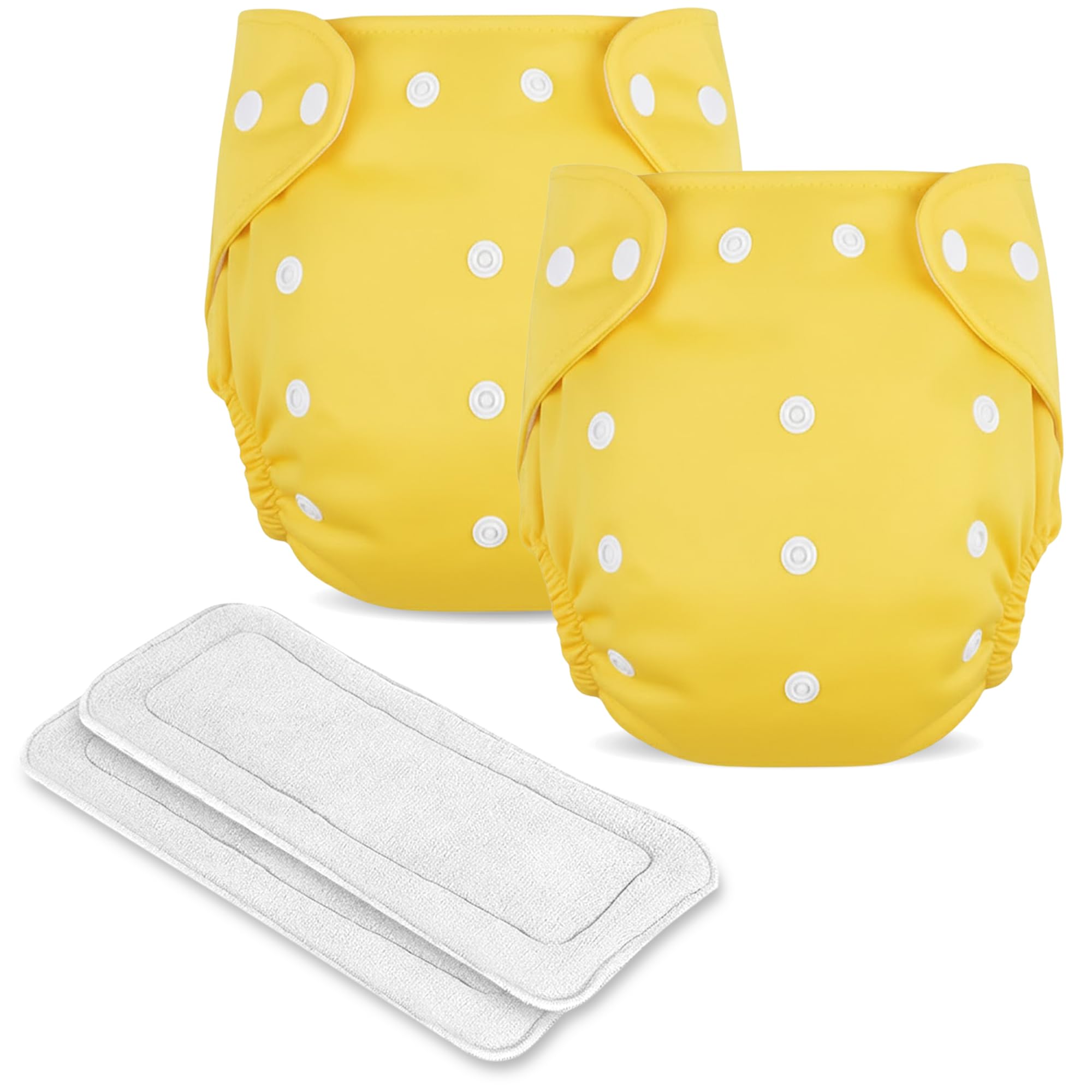
GLUN Reusable Combo
Curious but not ready to commit? This budget combo is the low-risk way to try cloth before buying a full set. It won’t match the flagship brands on finish, but it’s perfectly usable and lets you learn the routine before you invest.
How many you need & how to wash them
For full-time cloth with a 2-day wash cycle, aim for around 20–24 diapers. Just testing or doing part-time? 6–8 is plenty to start.
Skip the old soaking bucket. Store dirty diapers dry in a lidded pail or wet-bag and wash within 1–2 days — no smelly overnight soak needed.
A cold rinse first, then a warm wash with a full measured dose of ordinary detergent. Skip fabric softener (it kills absorbency) and go easy on fancy boosters.
Line-dry in the sun whenever you can — the Indian sun naturally disinfects and bleaches out stains for free. Covers dry fast; thick inserts take longer.
Cloth holds less than a disposable, so change every 2–3 hours (sooner for newborns). Frequent changes are also the best defence against nappy rash.
How to choose your cloth diapers
- Start small, then commit. Buy 2–3 of a couple of types first. Babies are shaped differently, and the “best” diaper is the one that fits yours without gapping or leaking.
- Freesize for value, sized for fit. Freesize (adjustable) diapers are cheapest over the long run; some parents prefer separate newborn sizes for a snugger early fit. Both are valid.
- Buy enough to survive a wash cycle. The number-one reason people quit cloth is not owning enough. Do the maths for your laundry rhythm before you start.
- Natural inner layers for sensitive skin. If your baby is rash-prone, look for cotton or bamboo inners and change more often. Pair with a good barrier cream on bad days.
- Trust the established brands for your core stash. Names like SuperBottoms and Bumberry cost a little more but hold up wash after wash — use budget combos to top up, not as your whole set.
Frequently asked questions
Are cloth diapers actually cheaper than disposables?
Over the full 2.5–3 years to potty training, clearly yes. A stash of reusables is a bigger one-time spend, but disposables are an endless weekly cost. Most families save a substantial amount over the journey — even more with a second baby, since the same diapers get reused.
How many cloth diapers do I need?
Around 20–24 for full-time use with a two-day wash cycle, or 6–8 to start part-time or test the routine. Owning too few is the main reason parents give up, so err on the generous side.
Do cloth diapers cause more nappy rash?
Not when used well — often the opposite. Cloth is breathable, but it holds less than a disposable, so the key is changing every 2–3 hours. Frequent changes plus proper sun-drying keep skin healthier than sitting in any diaper too long.
Pocket, AIO or smart nappy — which should a beginner buy?
For newborns, a breathable smart nappy is gentle and economical. For everyday ease, an all-in-one is closest to a disposable. For the best control and value long-term, a freesize pocket like the SuperBottoms UNO is the sweet spot most parents settle on.
How do I wash cloth diapers in India?
Dry-pail the dirty ones (no soaking), then run a cold rinse followed by a warm wash with a full dose of ordinary detergent — no fabric softener. Line-dry in the sun, which disinfects and removes stains naturally. That’s genuinely all it takes.
My one recommendation
Start with the SuperBottoms UNO Freesize. It’s the diaper that turned me from cloth-sceptic to convert: it fits from a few months to toddlerhood, rarely leaks, and the brand actually stands behind it. Buy 2–3 to see how you get on, top up with the SuperBottoms Basic or a value combo, and you’ll have a stash that pays for itself many times over — and keeps hundreds of disposables out of the bin.
Here’s to happy, rash-free little bottoms — and a lighter bin,
~ Surabhi
A note: General guidance for Indian parents, not medical advice. Every baby’s skin is different — if a rash persists or worsens, see your paediatrician. As an Amazon Associate I earn from qualifying purchases; product availability and prints change often, so always confirm the details on Amazon before you buy.


